Direct Imaging vs Offset Printing: What Nigerian Businesses Should Know
Order volume, turnaround time and paper grammage all decide which print method saves you money. Here's how to choose per job.
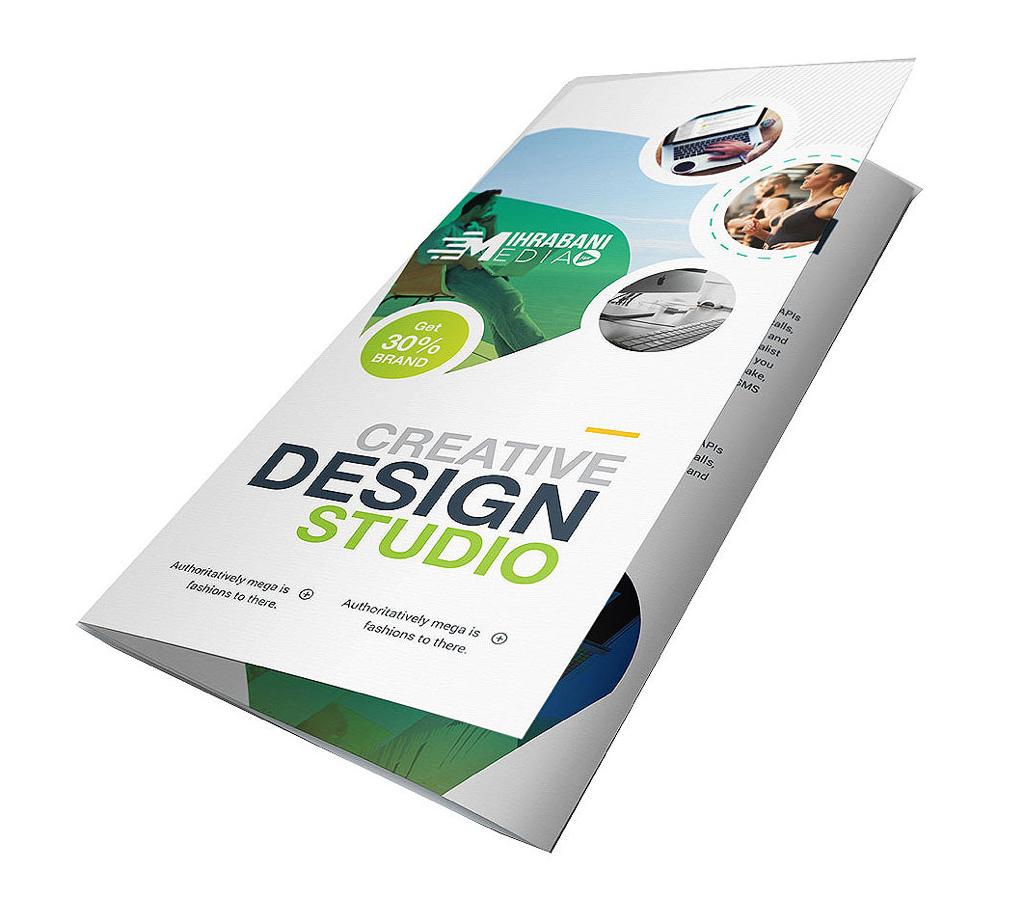
Almost every print quote conversation in Lagos eventually lands on the same question: should this job be direct-imaged or run through offset? Get it wrong and you either overpay on a small batch or wait longer than you needed to for a bulk run. Neither method is "better" — they're built for different order sizes, and knowing which one fits your job saves real money.
What each method actually does
Direct imaging prints straight from your digital artwork onto the material — no printing plate involved. That means near-zero setup cost and a fast start, which is why it's the default for call cards, small brochure runs, stickers and one-off souvenirs.
Offset printing transfers your design onto an aluminium plate first, then rolls ink from that plate onto paper. Making the plate costs time and money upfront, but once it's made, each additional copy is cheap. That's why offset dominates for large, identical print runs.
Comparing the two by what matters to your order
| Factor | Direct imaging | Offset printing |
|---|---|---|
| Best order size | Small to medium batches | Bulk runs, hundreds of identical units |
| Setup cost | Minimal — no plate needed | Higher — plate-making required |
| Cost per unit at volume | Stays roughly flat | Drops sharply as quantity rises |
| Turnaround to start | Fast — same day possible | Slower start, faster once running |
| Best for | Call cards, samples, urgent jobs | Large brochure or packaging runs |
Paper grammage changes the equation too
Heavier card stock and specialty papers behave differently under each method. High-grammes cards for premium call cards or gift boxes often look sharper off a well-set offset run at volume, while direct imaging on standard weights gives you flexibility to change the design between small batches without extra cost.
Not sure which method fits your quantity and deadline?
Ask our print team on WhatsAppA simple rule of thumb
- Ordering a few dozen to a couple hundred pieces, or need it fast? Direct imaging.
- Ordering hundreds to thousands of identical units, and can plan a few extra days for plate setup? Offset.
- Not sure yet? Direct-image a small proof batch first, confirm the design, then move to offset for the full run.
Neither method is a compromise — they're two tools built for different jobs. The businesses that get the best value are the ones that match the method to the order, instead of defaulting to whichever one they used last time.
Frequently asked questions
What is the difference between direct imaging and offset printing?
Direct imaging prints straight from a digital file with no plate, making it fast and affordable for small runs. Offset uses aluminium plates, which cost more upfront but bring the per-unit price down sharply at volume.
At what quantity does offset become cheaper?
It varies by product, but once a job crosses into the hundreds of identical units, offset usually overtakes direct imaging on cost per piece.
Which method has a faster turnaround?
Direct imaging starts faster since there's no plate-making step. Offset takes longer to set up but runs quickly once plates are ready.
Can I mix both methods on one order?
Yes — direct-image a small proof batch to confirm design and colour, then move to offset for the full bulk run.